

Essential Dark Web Services
This selection highlights key services for safe navigation. Each offers unique features to enhance your experience.

Professor Mariarti
Professor Mariarti provides insights from a darknet expert with a history in online platforms.
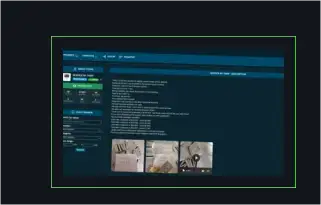
LONELY ROAD
LONELY ROAD — A multilingual platform with diverse products and AI store creation.
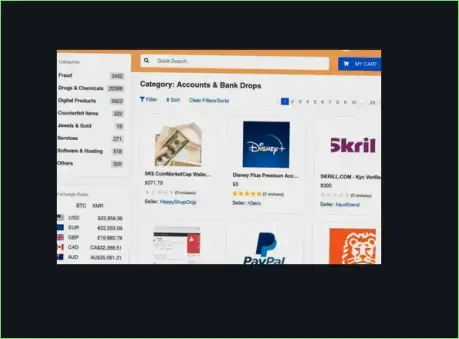
Tor2Door Market
Tor2Door Market — A user-friendly marketplace prioritizing privacy and secure transactions.
The Tor Project
The Tor Project — An essential resource for accessing official Tor software and tools safely.
Reddit communities curate dark web resources and safety advice, helping users navigate .onion sites accessible only through Tor browser[1]. The dark web consists of hidden services requiring special software where 38–45% of content is illicit[2], while the remaining majority hosts legal forums, privacy tools, and information repositories.
Understanding Dark Web Access Through Reddit Communities
Reddit hosts several key communities that provide valuable insights into the dark web. Notable subreddits include r/deepweb, r/darknet, and r/TOR. Each community plays a unique role in sharing information about access methods, safety precautions, and hidden services.
r/deepweb focuses on discussing the broader deep web, including legal and illegal content. Members share resources, personal experiences, and guides on navigating this complex digital landscape. r/darknet centers on the dark web, with a focus on darknet markets, user experiences, and security practices. Users often discuss threats like exit scams and the importance of operational security (OpSec). r/TOR is dedicated to the Tor network, addressing technical aspects and updates related to the Tor browser.
Understanding the distinctions between surface web, deep web, and dark web is crucial. The surface web contains publicly accessible websites like Google and Facebook. The deep web includes databases and password-protected sites, which are not indexed by traditional search engines. The dark web, as defined by the U.S. Congress, represents a segment of the deep web where content is intentionally hidden and requires special software for access, such as the Tor browser[6]. For instance, .onion sites, which use a special domain to provide anonymity, belong to the dark web[7].
Reddit serves as a trusted aggregator for dark web information due to its community-driven nature. Users can post questions and share experiences, allowing for real-time updates on dangers and changes in the dark web landscape. However, misinformation can spread quickly, so it’s essential to verify information through multiple sources. Engaging with these communities can help mitigate risks associated with navigating the dark web.
Essential Tools and Browsers for Dark Web Access
To access .onion sites, using the Tor Browser is essential. The Tor Browser is designed to route your internet connection through multiple encrypted relays. This process helps maintain user anonymity while accessing hidden services. Here's how to set it up:
Download Tor: Obtain the Tor Browser from the official Tor Project website.
Install: Follow the installation instructions for your operating system.
Configuration: Open the Tor Browser and configure your security settings. For optimal privacy, set the security level to “Safest” in the security settings.
When it comes to opening .onion links, dedicated browsers like Tor are necessary. Attempting to open these links in Chrome or other standard browsers is not recommended. Chrome does not support the .onion protocol, leaving you vulnerable to exposure. Using a non-dedicated browser could lead to your real IP address being revealed, defeating the purpose of anonymity[8].
VPN Considerations
Using a VPN while accessing the dark web can add an extra layer of protection. However, it's crucial to choose a reliable VPN that does not log user activity. Some Reddit discussions suggest using a VPN in conjunction with Tor to obfuscate your connection further. This method can help prevent your ISP from knowing you are using Tor.
Operational Security Basics
Operational security (OpSec) is vital when navigating the dark web. Here are some basic principles to follow:
Avoid revealing personal information: Never share your real name, location, or any identifiable details.
Use PGP for communication: When engaging in discussions or transactions, utilize Pretty Good Privacy (PGP) for encrypting messages.
Be cautious with downloads: Files from the dark web can be malicious. Always scan downloads with reliable antivirus software.
Following these guidelines can enhance your security while exploring the dark web. Engaging with communities on platforms like Reddit can provide ongoing support and updates on best practices in navigating these hidden spaces. For a more comprehensive list of onion websites, check our resource on All Onion Websites: A Comprehensive List.
Dark Web Search Engines and Discovery Tools
Finding content on the dark web can be challenging. Unlike the surface web, where search engines like Google index pages, the dark web requires specialized tools. Here are some key dark web search engines to consider:
Major Dark Web Search Engines
Torch: One of the oldest dark web search engines. It indexes a variety of .onion sites, making it easier to discover hidden content. The URL is
xmh57jrzrnw6insl.onion.Phobos: A search engine that focuses on providing a user-friendly interface for finding .onion sites. It supports keyword searches and categorizes results, enhancing the search experience. The URL is
phobos.rocks.DuckDuckGo Onion: A privacy-focused search engine that offers a .onion version for accessing the dark web. It emphasizes user anonymity and does not track searches. The URL is
3g2upl4pq6kufc4m.onion.Not Evil: Known for its straightforward interface, this search engine provides results from various .onion sites. It aims to offer a reliable search experience without the clutter. The URL is
hss3uro2hsxyc2u.onion.
Limitations of Dark Web Search
Searching the dark web presents unique challenges. Most dark web content is not indexed, making it hard to find specific sites or information. Additionally, many search engines may return outdated or irrelevant results. Unlike surface web search engines, which use complex algorithms to rank pages, dark web search engines often lack comprehensive indexing.
Finding Legitimate Sites vs. Scams
Reddit communities provide valuable insights for navigating the dark web safely. Here are some recommended methods:
Check User Feedback: Look for discussions about specific sites on subreddits like r/darknet. User experiences can reveal whether a site is trustworthy.
Use Trusted Directories: Resources like the Hidden Wiki can help identify legitimate .onion sites. Be cautious, as some links may lead to scams.
Verify with PGP: When engaging in transactions, use Pretty Good Privacy (PGP) to verify the legitimacy of the other party. This adds a layer of security.
Stay Updated: Follow discussions on Reddit to stay informed about scams and unsafe practices. The community often shares warnings about known threats.
By leveraging these tools and community insights, we can navigate the dark web more effectively and avoid potential pitfalls.
Categories of Dark Web Websites and Services
The dark web hosts a variety of websites and services, often categorized into four major groups: marketplaces, forums, information repositories, and controversial or illegal content. Understanding these categories is essential for safe navigation.
Marketplaces
Darknet marketplaces are platforms where users can buy and sell goods and services, often illicit in nature. These sites frequently deal in drugs, weapons, and stolen data. Notable examples include AlphaBay and Silk Road, which have been shut down but illustrate the marketplace model. Users should be cautious, as exit scams are common, with sellers disappearing after transactions[1].
Forums
Forums on the dark web serve as discussion boards for various topics, including hacking, privacy, and cryptocurrency. Subreddits like r/darknet provide insights and user experiences about these forums. Discussions can range from technical advice to sharing news about dark web developments. Engaging with these communities can provide valuable information but requires careful OpSec to avoid exposing personal details.
Information Repositories
These sites contain resources and documents related to privacy, security, and technology. They often host guides on using encryption tools or maintaining anonymity online. Users can find critical information but should verify the reliability of sources, as misinformation can spread rapidly.
Controversial or Illegal Content
This category includes sites that host graphic content, illegal services, or discussion of criminal activities. While legal content comprises about 62% of dark web sites, significant portions still contain illegal material[2]. Users should be aware of the risks associated with accessing such content, including potential legal repercussions.
Hidden Wiki and Reliability Issues
The Hidden Wiki is a directory that lists various .onion sites. While it can be a useful starting point, users must be cautious. Many links may lead to scams or illegal content, and the reliability of the listings can vary significantly. Always cross-reference information found on the Hidden Wiki with community discussions on platforms like Reddit.
Legal vs. Illegal Activities
Understanding the legal implications of dark web usage is crucial. Engaging with illegal content can lead to criminal charges, while exploring privacy-focused resources is generally legal. Users should familiarize themselves with the risks associated with each category. Remember that law enforcement agencies monitor many dark web activities, and anonymity is not guaranteed[9].
By categorizing dark web content and understanding the associated risks, we can navigate this complex landscape more effectively.
Safety Guidelines and Risk Assessment
Navigating the dark web requires a solid understanding of safety practices and potential risks. Here’s a consolidated view from the Reddit community on how to stay safe while exploring this hidden part of the internet.
Key Safety Practices
Never Download Files: Files on the dark web can contain malware or other harmful content. Avoid downloading anything unless you're certain of its safety.
Avoid JavaScript: Many dark web sites use JavaScript, which can expose your real IP address. Disable JavaScript in your browser settings to enhance security.
Don’t Use Personal Information: Always use a pseudonym and avoid sharing any personal details, including your real name, location, or email address.
Specific Threats to Consider
Phishing Sites: Be wary of sites that mimic legitimate services. Always verify URLs and look for red flags before entering any information.
Malware: Various forms of malware are prevalent on the dark web. This includes ransomware and spyware that can compromise your device.
Law Enforcement Monitoring: Engaging in illegal activities can attract law enforcement attention. Even accessing certain sites can lead to legal scrutiny[9].
Exit Scams: Dark web marketplaces can suddenly shut down, taking users' funds with them. Always research sellers and be wary of new or unverified marketplaces.
Legal Jeopardy
Understanding the legal implications of dark web access is crucial. Merely visiting certain sites can be legal, but participating in illegal activities can lead to serious consequences. Law enforcement agencies actively monitor dark web activities, and anonymity is not guaranteed[1].
For example, while browsing a site that sells illegal goods can put you at risk, using a privacy-focused service for legitimate purposes is typically safe. Always stay informed about the legal landscape and be cautious with your online actions.
By following these guidelines and staying aware of potential threats, we can explore the dark web more safely. Engaging with communities like r/darknet on Reddit can provide ongoing insights and updates on best practices.
Identifying Legitimate vs Scam Dark Web Sites
Navigating the dark web can be daunting, especially when trying to distinguish between legitimate and scam sites. Reddit communities offer valuable insights into identifying red flags and verification methods.
Red Flags for Scam Sites
Too-Good-to-Be-True Offers: If a site promises extremely low prices or unrealistic deals, it’s likely a scam. For example, offers for high-end electronics at a fraction of the market price often indicate fraudulent intentions.
Lack of Escrow Services: Legitimate marketplaces typically use escrow services to protect both buyers and sellers. If a site does not offer this, it raises concerns about its credibility.
New Domains: New or recently created .onion domains can be a warning sign. Established sites with a history are generally safer, as they have built a reputation within the community.
Verification Methods
Reddit users recommend several methods to verify the legitimacy of dark web sites:
PGP Signatures: Using Pretty Good Privacy (PGP) for verifying communications can help ensure that you’re dealing with a legitimate vendor. Always check for PGP signatures on listings or communications.
Established Vendor Reputation: Look for vendors with a solid reputation within the community. Reviews and discussions on subreddits like r/darknet can provide insights into a vendor’s reliability.
Community Vouching: Engage with communities that discuss specific sites. If users vouch for a site or vendor, it adds an extra layer of trustworthiness.
Common Scam Categories
Fake Carding Sites: These sites claim to sell stolen credit card information but often deliver nothing. Users report losing money without receiving any goods.
Phishing Clones: Some sites mimic legitimate services to steal personal information. Always verify URLs and be cautious when entering sensitive data.
Exit Scams: These occur when marketplaces suddenly shut down, disappearing with users' funds. Research sellers before making transactions to mitigate this risk.
By staying aware of these red flags and utilizing community-sourced verification methods, we can navigate the dark web more safely. Engaging in discussions on Reddit can keep us informed about the latest threats and scams.
Dark Web Sites You Should Avoid
Navigating the dark web comes with risks. Certain categories of content are particularly dangerous and illegal, and we should avoid them at all costs. Here’s a breakdown of the main categories and associated risks.
Categories of Dangerous Content
Explicit Illegal Material: This includes child exploitation, pornography, and other forms of graphic content. Accessing such content can lead to severe legal consequences, including imprisonment.
Hitman Scams: Some dark web sites claim to offer hitman services. These are often scams designed to exploit users for money. Engaging with these sites can result in financial loss and potential legal trouble.
Extreme Violence: Sites showcasing extreme violence or torture are prevalent. Exposure to such content can have psychological effects, including desensitization and trauma.
Psychological Risks and Legal Consequences
Exposure to illegal or violent content can lead to mental health issues. Users may experience anxiety, depression, or post-traumatic stress. Legally, accessing or downloading illegal material can result in criminal charges. Law enforcement actively monitors dark web activities, and anonymity is not guaranteed[1].
Urban Legends vs. Real Threats
The dark web is often surrounded by urban legends, such as the existence of a “murderous” hitman service. While these stories can be exaggerated, the threat of scams and legal repercussions is very real. The Reddit community frequently debunks myths, highlighting the importance of relying on credible sources for information. For instance, many supposed hitman services are simply traps for financial exploitation[1].
In summary, we should steer clear of dark web sites that host illegal or disturbing content. The risks to our mental health and legal standing are significant. Engaging with reputable community discussions, such as those on Reddit, can help us stay informed about real threats versus myths.
Reddit-Curated Dark Web Resource Matrix
To help navigate the dark web effectively, we've compiled a structured reference table categorizing various dark web resources. This matrix includes search engines, marketplaces, forums, and wikis, along with safety ratings and community consensus from Reddit. Each entry notes access methods and last-verified status, highlighting sites commonly mentioned as defunct or compromised.
| Resource Type | Name | Access Method | Safety Rating | Community Consensus |
|---|---|---|---|---|
| Search Engine | DuckDuckGo Onion | Tor Browser | High | Widely trusted for general searches. |
| Search Engine | Torch | Tor Browser | Medium | Useful but caution advised; some links may lead to scams. |
| Market | Phobos | Tor Browser | Low | Frequently mentioned as compromised; use at your own risk. |
| Market | AlphaBay (Reopened) | Tor Browser | Medium | Mixed reviews; some users report successful transactions, others caution against exit scams. |
| Forum | r/darknet | Reddit (external) | High | Active discussions on safety and site legitimacy. |
| Wiki | Hidden Wiki | Tor Browser | Medium | Good starting point but often contains outdated or defunct links. |
| Info Repository | Tor FAQ | Tor Browser | High | Reliable resource for understanding Tor usage. |
Safety Ratings Explained
High: Generally considered safe by the community. Regularly updated and monitored.
Medium: Some risks identified; users should proceed with caution and verify information.
Low: Frequently mentioned as compromised or defunct. Strongly advised against using.
Access Methods
Most dark web resources require the Tor Browser for access. Ensure to download it from the official Tor Project website to avoid malicious versions.
Last-Verified Status
The last-verified date indicates when the community last confirmed the resource's functionality and safety. Regularly check Reddit discussions for the latest updates.
Common Issues
Many sites are often reported as defunct or compromised. Always cross-reference information with community discussions. For instance, Phobos has been flagged multiple times as potentially unsafe, and users should be particularly cautious when engaging with it.
By utilizing this matrix, we can better navigate the dark web's complexities and prioritize safety while exploring its resources.
Reddit-Curated Dark Web Resource Matrix
- Resource Type
- Search Engine
- Name
- DuckDuckGo Onion
- Access Method
- Tor Browser
- Safety Rating
- High
- Community Consensus
- Widely trusted for general searches.
- Resource Type
- Search Engine
- Name
- Torch
- Access Method
- Tor Browser
- Safety Rating
- Medium
- Community Consensus
- Useful but caution advised; some links may lead to scams.
- Resource Type
- Market
- Name
- Phobos
- Access Method
- Tor Browser
- Safety Rating
- Low
- Community Consensus
- Frequently mentioned as compromised; use at your own risk.
- Resource Type
- Market
- Name
- AlphaBay (Reopened)
- Access Method
- Tor Browser
- Safety Rating
- Medium
- Community Consensus
- Mixed reviews; some users report successful transactions, others caution against exit scams.
- Resource Type
- Forum
- Name
- r/darknet
- Access Method
- Reddit (external)
- Safety Rating
- High
- Community Consensus
- Active discussions on safety and site legitimacy.
- Resource Type
- Wiki
- Name
- Hidden Wiki
- Access Method
- Tor Browser
- Safety Rating
- Medium
- Community Consensus
- Good starting point but often contains outdated or defunct links.
- Resource Type
- Info Repository
- Name
- Tor FAQ
- Access Method
- Tor Browser
- Safety Rating
- High
- Community Consensus
- Reliable resource for understanding Tor usage.
Key Takeaways
Prioritize anonymity tools: Always use Tor Browser, VPN, and disable JavaScript to minimize tracking risks before accessing any .onion site.
Verify before trusting: Check PGP signatures, look for established vendor reputations, and consult Reddit communities like r/darknet to confirm site legitimacy.
Avoid illegal content entirely: Steer clear of explicit illegal material, hitman scams, and extreme violence sites to protect your mental health and avoid legal jeopardy[1].
Use escrow services: Legitimate marketplaces offer escrow protection; sites without this feature often signal scam operations.
Stay updated on threats: Regularly engage with community discussions to learn about defunct sites, compromised domains, and emerging scam tactics.
For a broader overview of available resources and hidden services, explore our comprehensive onion site list.
Frequently asked questions
- How do I access dark web sites?
Download the official Tor Browser from the Tor Project website to access .onion sites[1]. Install it on your device, launch the browser, and enter .onion addresses directly into the address bar. We recommend enabling a VPN before opening Tor and disabling JavaScript in the browser settings to reduce tracking risks.
- How can I find dark web websites?
Use specialized search engines like DuckDuckGo Onion or Torch within the Tor Browser to discover .onion sites. Consult community-curated directories such as the Hidden Wiki for starting points, though verify links through Reddit discussions on r/darknet before visiting. Cross-reference multiple sources to avoid defunct or compromised domains.
- Is the dark web illegal?
The dark web itself is not illegal; it's a segment of the deep web where content is intentionally hidden and accessed through special software[6]. Research shows that approximately 60% of collected dark web pages were legal[5]. However, certain activities and content hosted on dark web sites—such as illegal marketplaces or explicit illegal material—violate laws and carry serious legal consequences[9].
- What exactly is The Dark Web?
The dark web is a subset of the deep web consisting of overlaying networks that require unique software like Tor to access, with design focused on hiding user identity[8]. It uses .onion domains designated by the IETF as special-use top-level domains under RFC 7686[7]. On October 26, 2024, the Tor network had 1.95 million daily users worldwide[4].
- How to open onion links in Chrome?
Chrome cannot natively open .onion links because these addresses require the Tor network for routing[7]. You must use the Tor Browser, which routes traffic through the Tor network to resolve .onion domains[10]. Attempting to access .onion sites through standard browsers like Chrome will result in connection failures, as these domains are not delegated by ICANN from the public DNS root[7].
Cited sources
- Taking on the Dark Web: Law Enforcement Experts ID Investigative Needs - NIJ
- Exploring and analyzing the dark Web: A new alchemy - First Monday
- RFC 7686 - The .onion Special-Use Domain Name
- Users – Tor Metrics
- Structure and Content of the Visible Darknet - arXiv
- The Dark Web: An Overview | Congress.gov | Library of Congress
- The Dark Web: The Land of Hidden Services - ICANN
- A Primer on DarkNet Marketplaces - FBI
- The dark web: What your business needs to know | Federal Trade Commission
- What are .onion sites and onion services? - Tor Project
 All Onion Websites: A Comprehensive ListExplore all onion websites with our curated list. Discover safe access, hidden services, and essential resources for navigating the dark we…
 Exploring Deep Web Links Xplay: A GuideDiscover deep web links for Xplay. Access hidden services safely and navigate effectively with our comprehensive guide.
 Onion Link Browser: Accessing Hidden ContentDiscover how to use an onion link browser to access hidden .onion sites safely and securely. Explore the dark web with confidence and priva…